

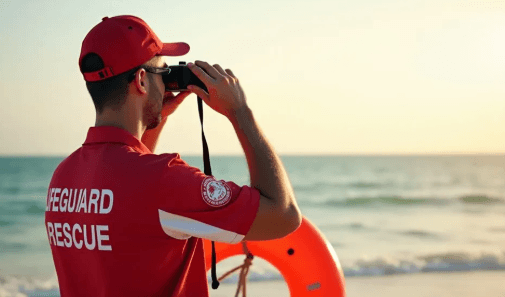
Lifeguards are expected to be disciplined, make immediate decisions, and be responsible. The lifeguard profession serves as the first line of defence against drowning, and aquatic emergencies, as they patrol pools, beaches, or other waterpark sites.
Accordingly, lifeguards should be appropriately trained and certified to perform their lifeguard duties. The American Lifeguard Association (ALA) is one of the best training organizations in the country, offering programs that build discipline for lifesaving.
This article will explain how discipline is the backbone of lifeguarding, how the lifeguard certification programs build discipline, and why the American Lifeguard Association is the right choice.
Discipline Importance in Lifeguarding
Discipline in lifeguarding goes well beyond following rules: it has to do with focus, having specific protocols, and being completely prepared at all times for any emergency that might occur. Here are the basics:
A. Vigilance at all times
Lifeguards need to remain on alert, for nearly all hours of the day, observing the water for probable dangers. A second’s inattention may cause tragic mistakes. Lifeguard certification courses, for example, from the American Lifeguard Association, prepare guards to develop their ability to sustain their mental stamina while performing these high-risk duties.
B. Compliance with Safety Procedures
Each lifeguard must have set procedures for rules that apply at a pool and every emergency that occurs. Lifeguard certification courses assimilate these protocols within themselves so that guards will act at all times at optimum speed and correctness during emergencies.
C. Physical Fitness and Readiness
Discipline also means a bodily condition in making a rescue effective. For lifeguards, it is nothing short of fitness in terms of strength and endurance. Certification courses also have these high physical testing candidates.
How Lifeguard certification Builds Discipline
It is not only about having lifeguard drills, tests, and skills; it is about acquiring the discipline to perform under pressure. Here are some of the ways that the certification programs impart that sought-after quality:
A. Structured Training Programs
Organizations such as the American Lifeguard Association operate extensive training programs that include:
- Surveillance-The techniques of effective water scanning
- Rescue skills-Entry approach and extraction techniques of the victim
- First aid & CPR-The medical interventions that sustain life
- Emergency action plans actions coordinated for an incident
Such structure ensures that lifeguards learn to react through appropriate conditioning, such that disciplined responses become second nature.
B. Realistic Scenario Training
The course includes simulated emergencies to challenge the lifeguard to remain calm and follow through on the procedures. By requiring quick, decisive action in high-stress situations, these drills strengthen discipline.
C. Recertification-Reinforcement of Discipline
Discipline is more than just a lesson; it is a process that needs consistent reinforcement. Most certifications, such as those from the American Lifeguard Association, require lifeguard recertification every two years or so to keep the lifeguards sharp and provide up-to-date information with the latest safety standards.
The Implications of Discipline Deficiency
Discipline implies failure in lifeguarding; it becomes a threat. The following situations illustrate the real-life implications of a lack of discipline:
A. Lessening Procedures to Respond
A forewarned or ill-prepared lifeguard could miss early signs of distress, which prolongs the rescue and worsens the outcome.
B. Procedure-Improperly Causing an Injury
Distracting blinds or weakening techniques available to the lifeguard can lead to injury to either himself or the distressed victim. Instructors assist all candidates in ensuring that the techniques are applied correctly every single time.
C. Legal and Ethical Accountability
Negligent acts of a lifeguard in breach of protocols may lead to legal action against him or her. An accredited lifeguard certification from a recognized agency, such as the American Lifeguard Association, provides evidence that training due diligence was conducted.
See also: A Class Act: How to Help Yourself Look Sophisticated
Choosing the Right Certification Program
Not all lifeguard certifications can claim that honour so to instil real discipline, the aspiring lifeguard should seek out programs with:
- Hands-on training-Practical training can never be substituted.
- Experienced instructors-Participants learn from professionals with real-world experience.
- Nationally recognized credentials- Make sure your certification is respected by the employers.
The American Lifeguard Association meets all of these requirements by offering programs that stress skill mastery coupled with discipline in its application.
Maintaining Discipline after Certification
Indeed, obtaining a lifeguard qualification is only the beginning of it all. A lifeguard not only needs to keep that safety net intact; he must learn to discipline himself in the routine of his daily life.
A. Regular Physical Training
Staying in state enables a lifeguard to rescue someone without Ome’s presence.
B. Mental-readiness Training
Visualization of emergency incidents and reviewing protocols keep the skills sharp.
C. Work professionalism
Timekeeping, proper gear, and vigilance are all a lifeguard’s discipline routine can offer.
Final Word
Discipline Saves Lives Lifeguarding is not just a job; it is an insistent commitment to saving lives through rigorous discipline. Such a program carries rigorous American lifeguard certification and is provided by reputed institutions like the American Lifeguard Association. Thus, it prepares these lifeguards for all circumstances.
Whether you want to start a career in lifeguarding or have become certified, the distinction between a good and an excellent lifeguard is that common difference in discipline to be alert and ready to act at all times.
Find the best training by searching for the American Lifeguard Association certification programs, and start your disciplined life-saving career.
