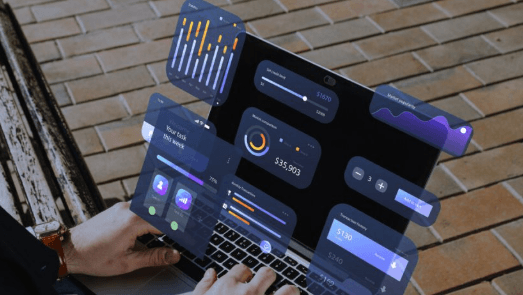
In the fast-paced world of modern business, staying on top of your resources is critical. A digital asset tracking platform provides organizations with the tools they need to monitor, manage, and optimize their physical and digital assets in real-time. Gone are the days of manual spreadsheets, misplaced inventory, or delayed updates. With a robust platform, businesses can gain full visibility over assets, reduce losses, and streamline operations—all while making smarter, data-driven decisions.
What Is a Digital Asset Tracking Platform?
A digital asset tracking platform is a centralized software solution designed to track the lifecycle of assets—whether they are equipment, vehicles, IT hardware, or digital files. By integrating sensors, barcodes, RFID tags, or QR codes with cloud-based software, organizations can monitor asset location, status, usage, and maintenance requirements.
This type of platform typically offers:
- Real-Time Visibility – Know where every asset is at any given moment.
- Maintenance Tracking – Schedule and monitor routine maintenance to avoid costly downtime.
- Usage Analytics – Understand how assets are used to improve efficiency and reduce waste.
- Audit and Compliance Support – Maintain accurate records for financial, regulatory, and operational audits.
By digitizing asset management, businesses can replace guesswork with actionable insights.
Key Benefits of a Digital Asset Tracking Platform
- Enhanced Operational Efficiency
When teams can instantly locate and monitor assets, time wasted searching or reallocating resources is minimized. This efficiency translates directly into productivity gains and cost savings. - Reduced Loss and Theft
Assets can go missing for many reasons—human error, misplacement, or theft. A tracking platform creates accountability, alerts stakeholders when assets are moved unexpectedly, and significantly reduces losses. - Data-Driven Decision Making
By collecting usage and performance data, organizations can make smarter investment decisions. For instance, knowing which equipment is underutilized can help reallocate resources or adjust procurement strategies. - Simplified Compliance and Reporting
Many industries have strict reporting requirements for assets, from IT hardware to industrial equipment. A digital tracking platform maintains accurate records, generates reports automatically, and ensures compliance with minimal effort.
How Businesses Use Digital Asset Tracking
- IT Departments – Track laptops, servers, software licenses, and network equipment to prevent loss and ensure timely upgrades.
- Manufacturing – Monitor machinery, tools, and raw materials across multiple facilities.
- Healthcare – Ensure critical medical equipment is available when needed, and track maintenance for safety compliance.
- Logistics and Supply Chain – Keep tabs on vehicles, containers, and inventory for timely deliveries and operational efficiency.
The versatility of these platforms makes them valuable across industries, from startups to large enterprises.
Choosing the Right Digital Asset Tracking Platform
When selecting a platform, businesses should consider:
- Integration Capabilities – Can it sync with existing ERP, CRM, or inventory systems?
- Scalability – Will it handle your organization’s growth and increasing asset numbers?
- User-Friendly Interface – Employees should be able to access and update data easily.
- Automation Features – Alerts, notifications, and automated reporting can save significant time.
- Security Measures – Protect sensitive asset data from unauthorized access or breaches.
A platform that aligns with your operational needs ensures that your asset management strategy is efficient, accurate, and future-proof.
Future of Asset Management
With advances in IoT, AI, and cloud computing, the capabilities of digital asset tracking platforms are expanding. Predictive analytics can forecast maintenance needs, AI algorithms can optimize asset allocation, and IoT sensors can provide hyper-accurate location data. By adopting these modern platforms, businesses are not just tracking assets—they’re unlocking strategic insights that drive innovation and growth.
See also: Tech!Espresso: Calgary & Edmonton’s On-Site Repair Experts
Final Thoughts
A digital asset tracking platform is more than a management tool—it’s a strategic investment in efficiency, security, and data-driven decision-making. By providing real-time visibility, reducing losses, and simplifying compliance, these platforms empower organizations to operate smarter and faster.
Whether your business manages IT equipment, industrial machinery, or valuable inventory, implementing a digital asset tracking platform ensures that every asset is accounted for, optimized, and contributing to your organization’s success. In the digital era, staying on top of your assets is no longer optional—it’s essential.